Water Damage Restoration in Atlanta, GA
Standing water soaks into subfloor, drywall, and framing within hours, so the first call matters more than the first repair. Atlanta water damage pros answer 24/7 and dry to the IICRC S500 standard, from flooded basements and wet crawl spaces to burst pipes and storm flooding.
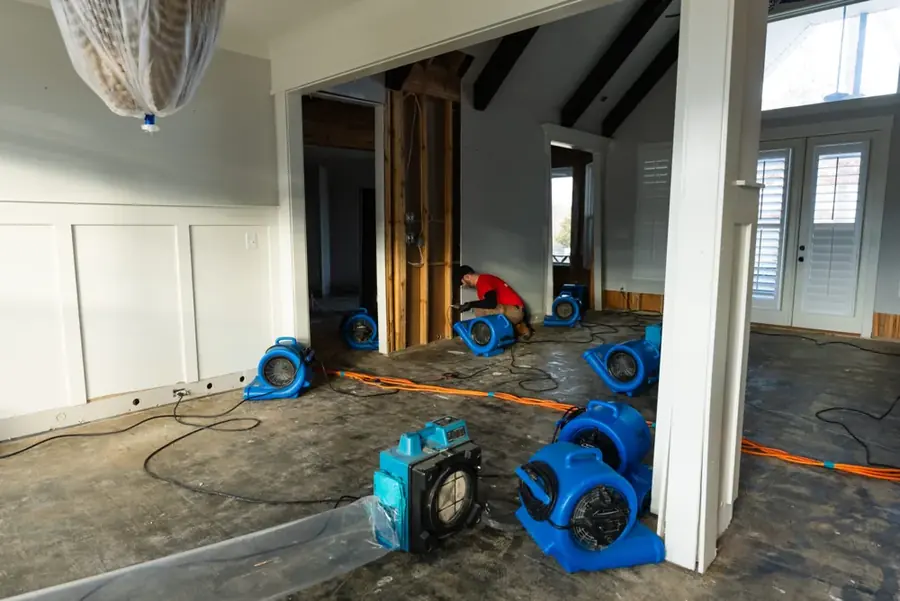
What to do while the water is still moving
One call reaches a local Atlanta crew that heads out right away. While you wait, a few calm steps protect your home and your insurance claim.
Call (678) 586-7595- Stop the water at the source. Shut off the supply valve or the main if you can reach it safely.
- Keep clear of standing water. Stay away from outlets and anything electrical near the water.
- Document the damage. Move what you can and photograph everything for your claim.
Water Damage Restoration Services in Atlanta, GA
Twelve dedicated services, led by the two Atlanta homeowners call about most: flooded basements and wet crawl spaces.
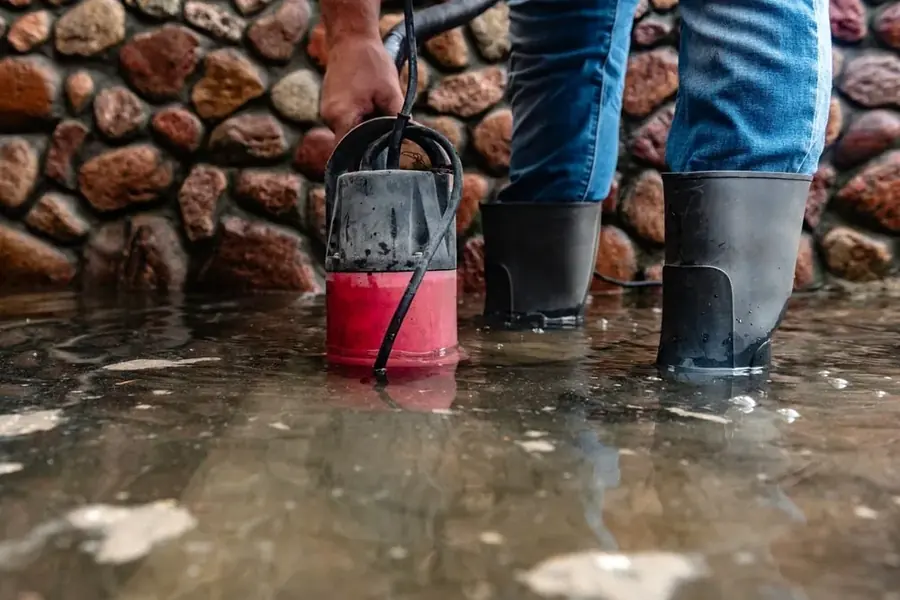
Flooded Basement Cleanup
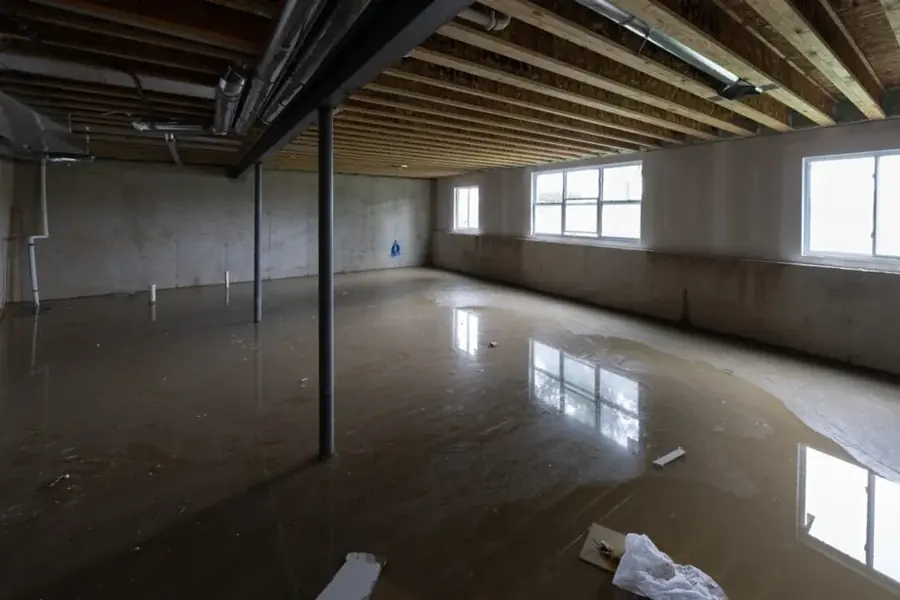
Atlanta's number one water call. Red clay and summer cloudbursts push water into finished and unfinished basements, and the extraction crew pumps, extracts, and dries them fast.
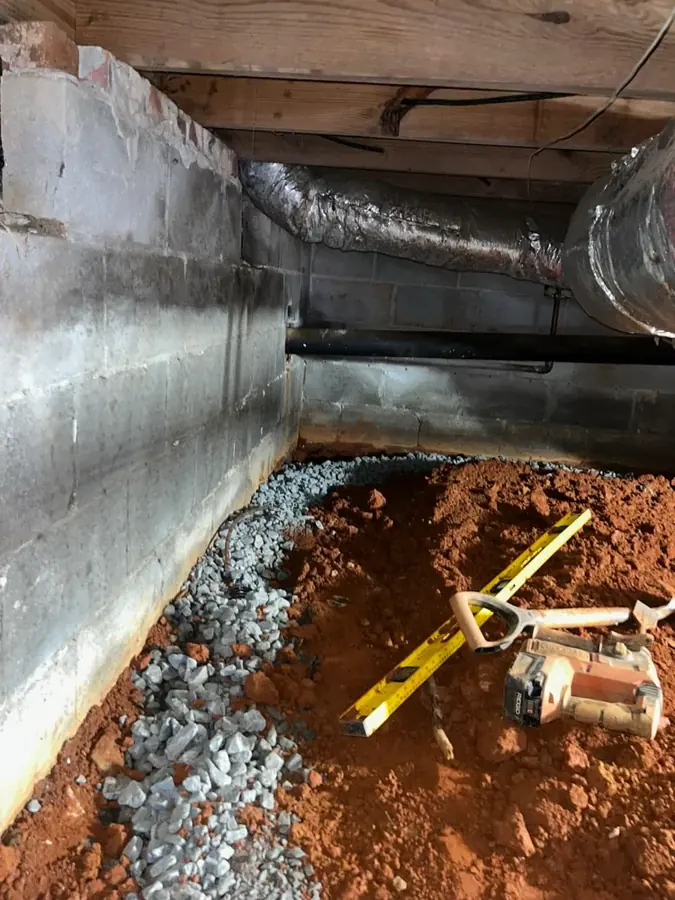
Crawl Space Water Damage & Drying
Older intown homes sit over vented crawl spaces that trap moisture and flood in heavy rain. The drying team extracts the water, dries the joists and subfloor, and stops mold before it starts.
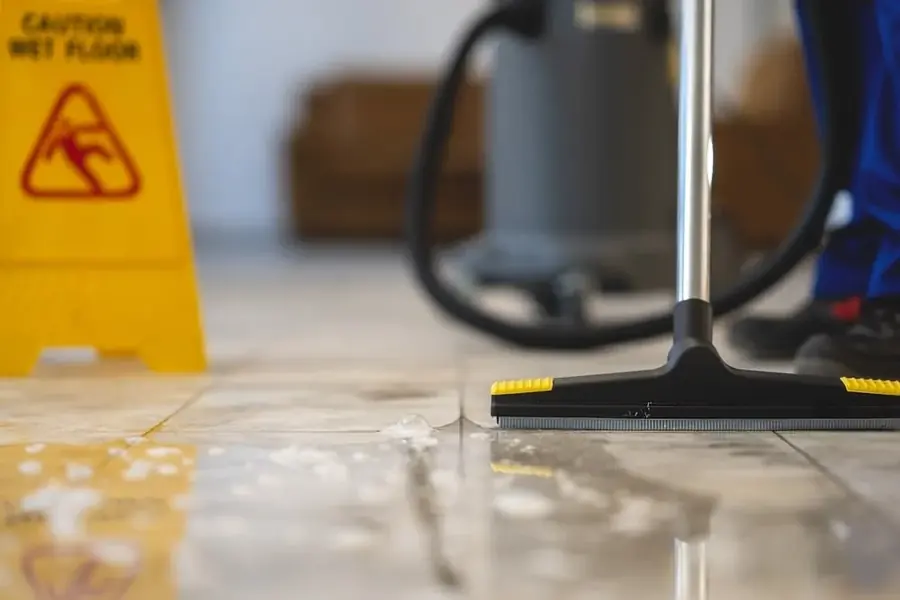
Water Extraction & Removal
The emergency front door. Truck-mounted and submersible pumps for standing water, any hour.
View service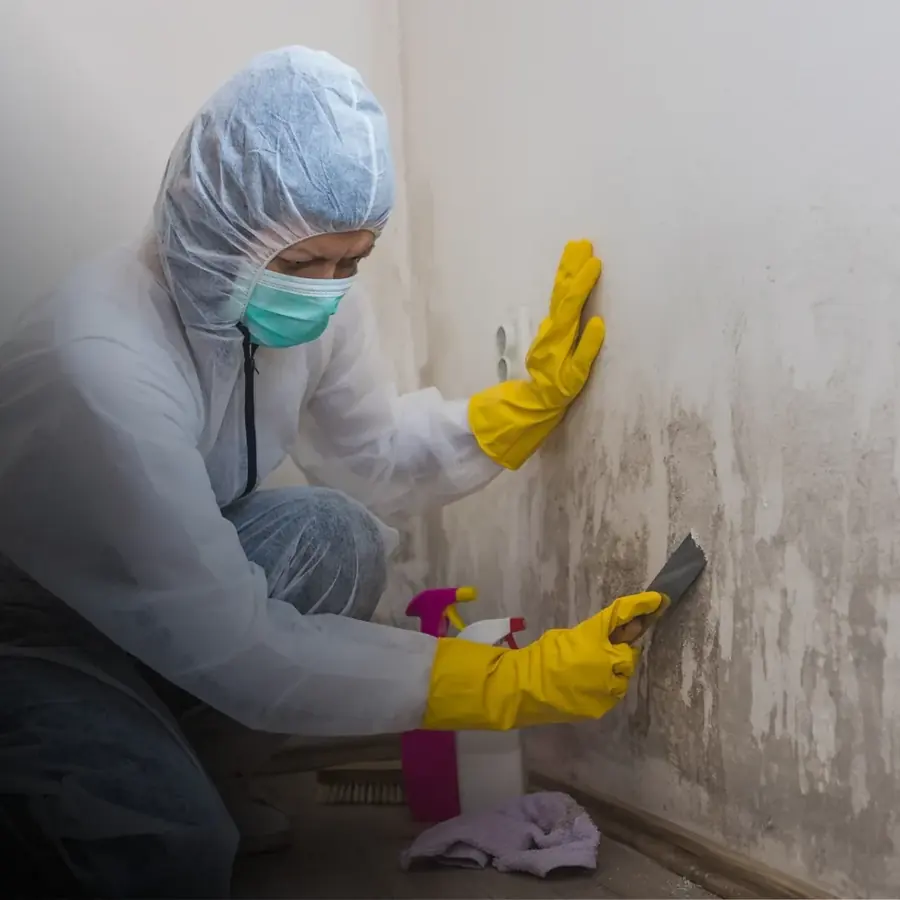
Mold Remediation
Atlanta humidity grows mold fast. Containment, HEPA, removal, and fixing the moisture source.
View service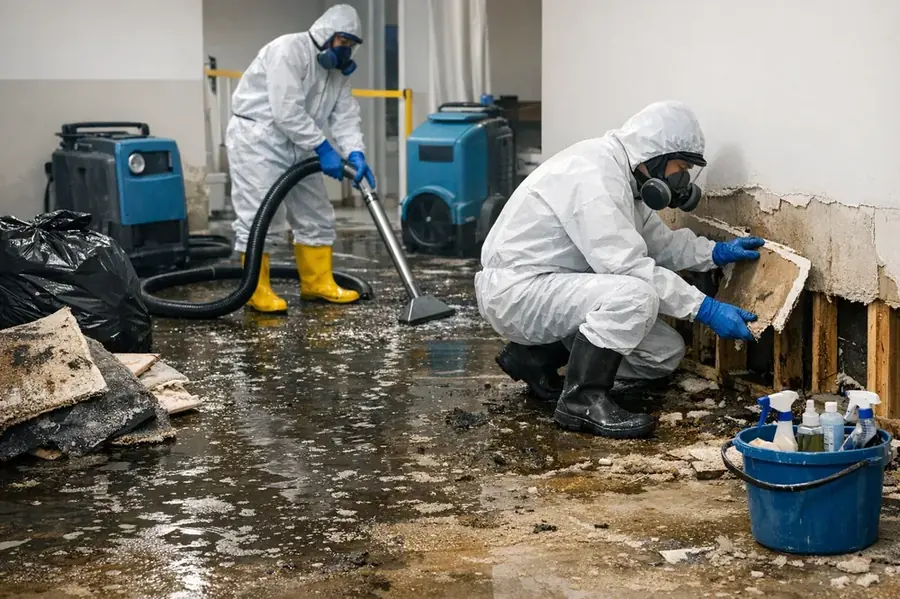
Sewage & Black Water Cleanup
Combined sewers back up in hard rain. The cleanup crew treats Category 3 black water as the biohazard it is.
View service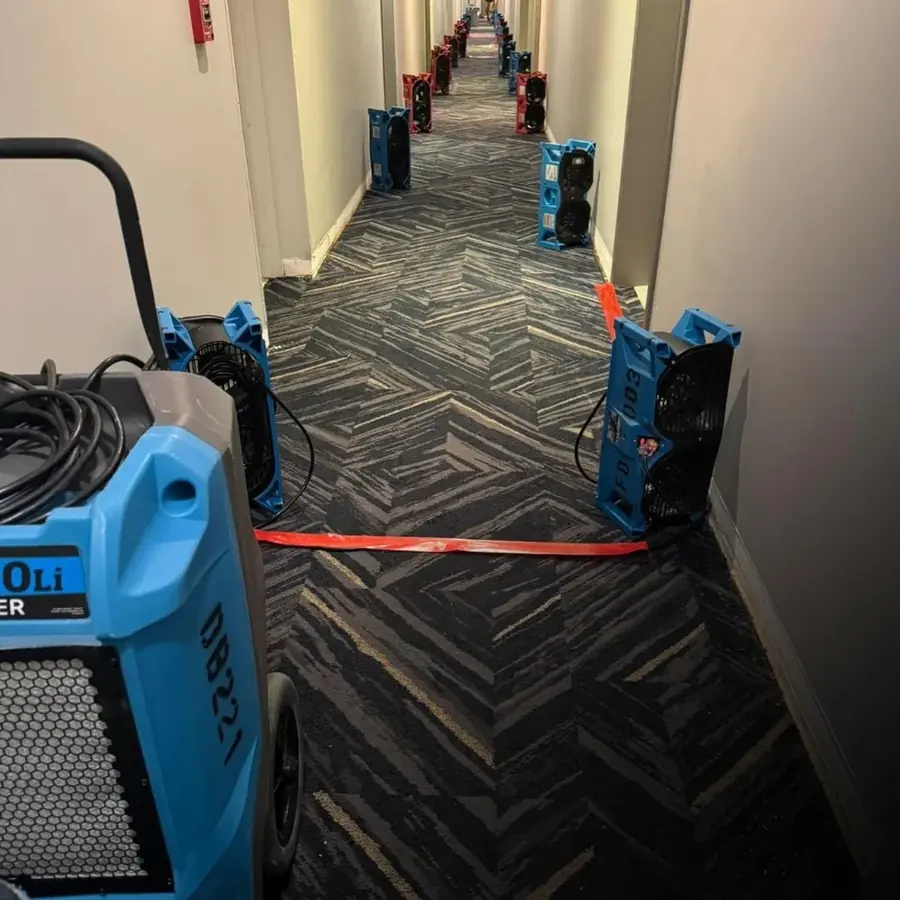
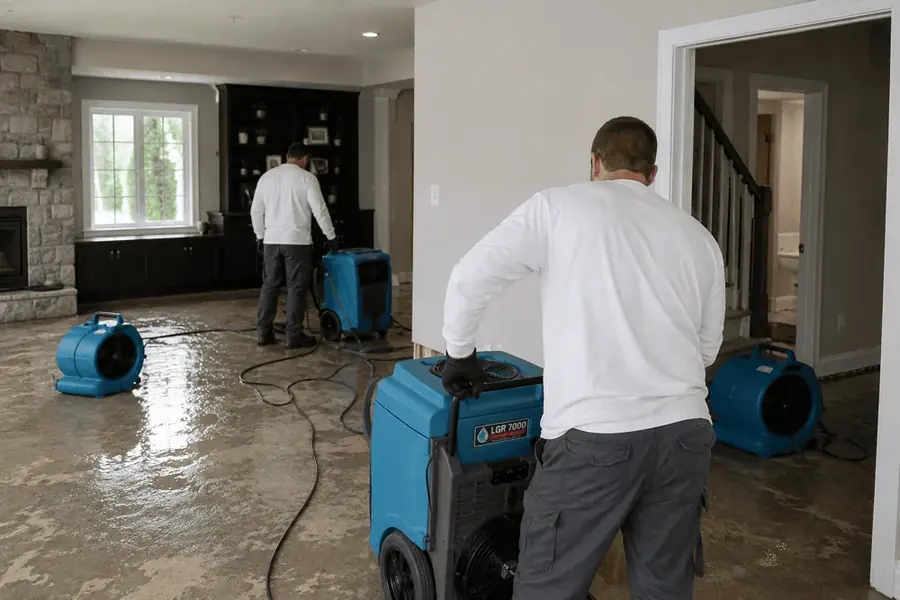
Structural Drying & Dehumidification
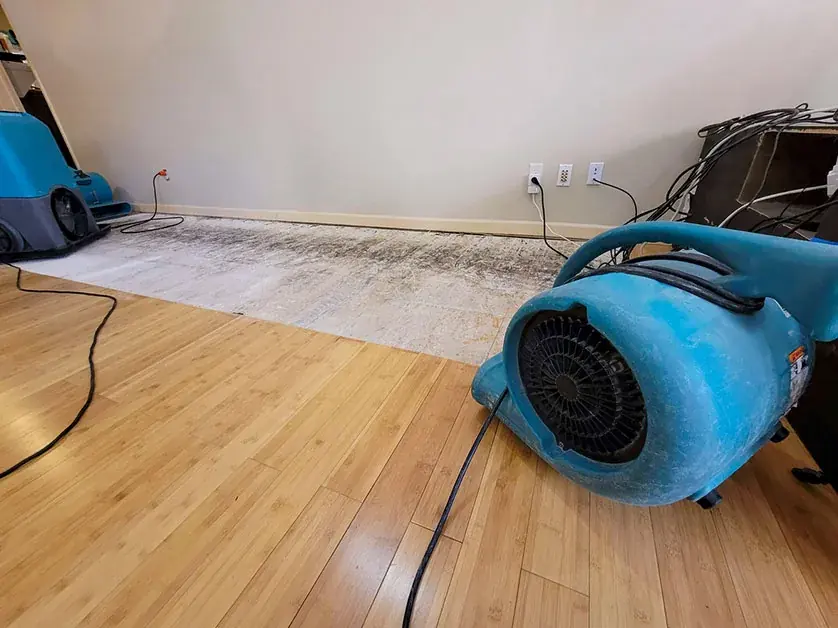
Air movers and LGR dehumidifiers, moisture mapped and monitored to a documented dry standard.
View service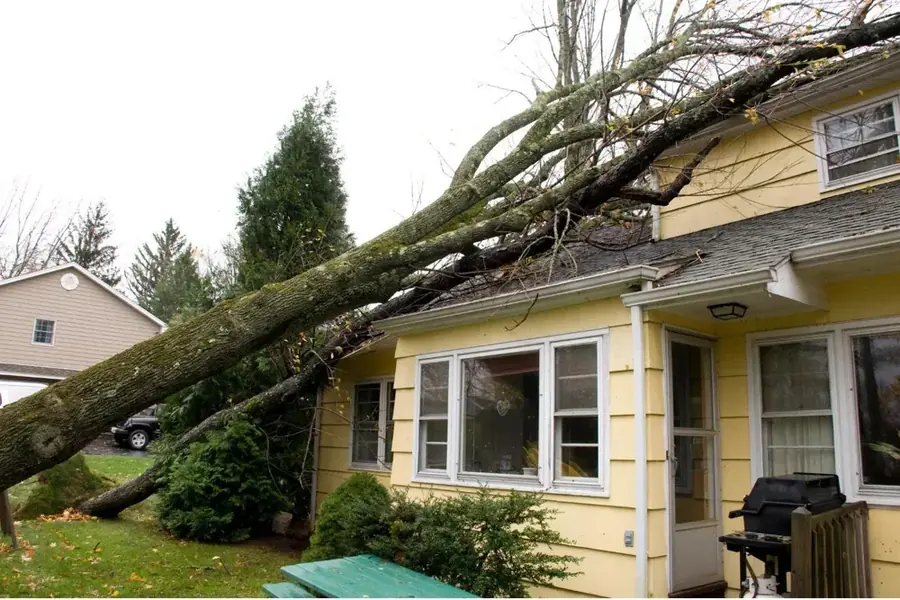
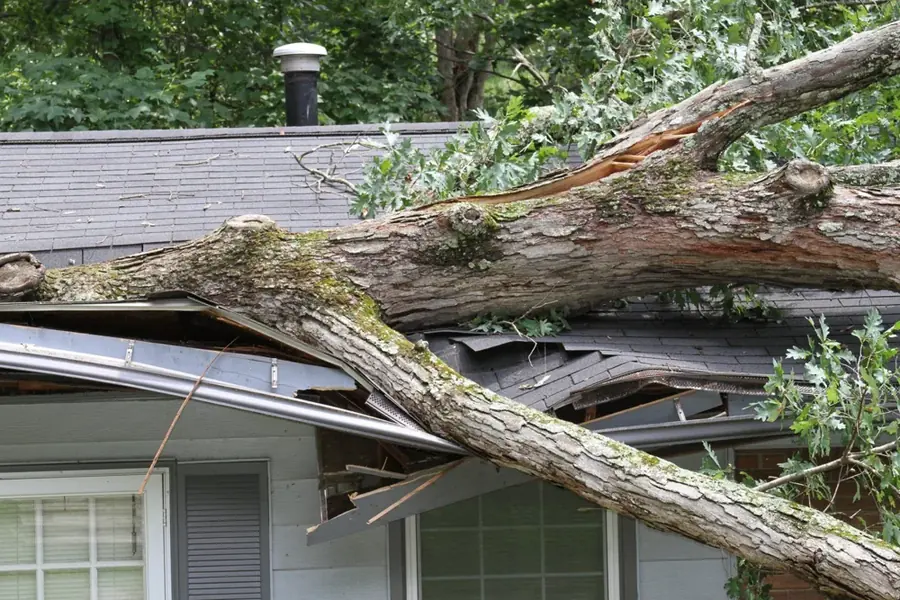
Storm Damage Restoration
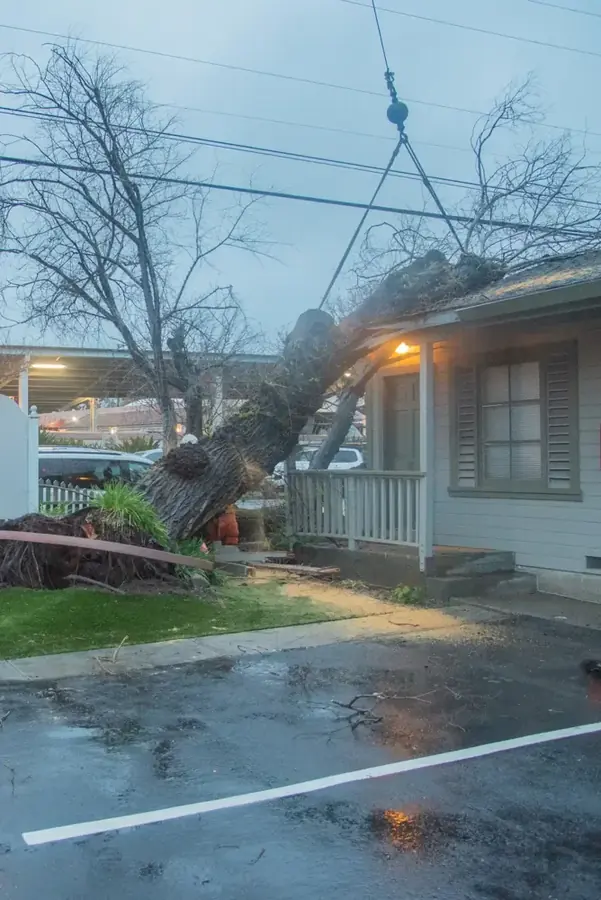
Severe thunderstorms, straight-line winds, and fallen trees that breach the roof. Rapid tarping and dry-out.
View service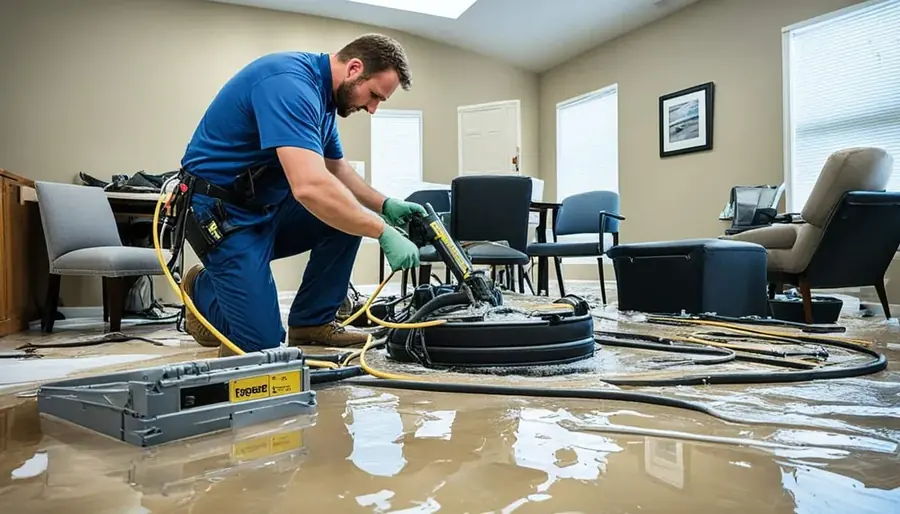
Flood & Flash Flood Cleanup
Flash flooding and creek water rising from outside. Category 3 extraction, sanitizing, and dry-out.
View service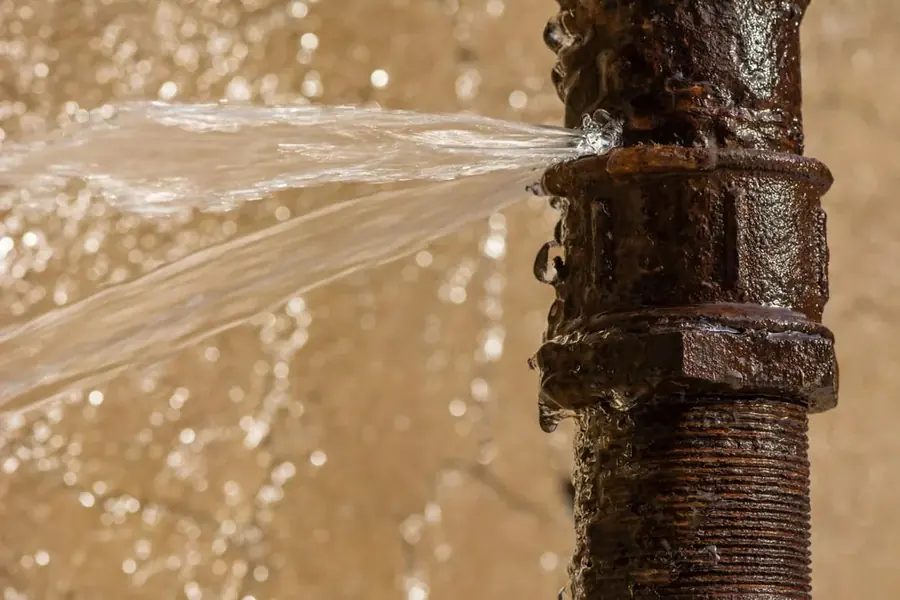
Burst Pipe Cleanup
Sudden supply-line failures and January hard-freeze bursts. The crew stops the water and dries the framing.
View service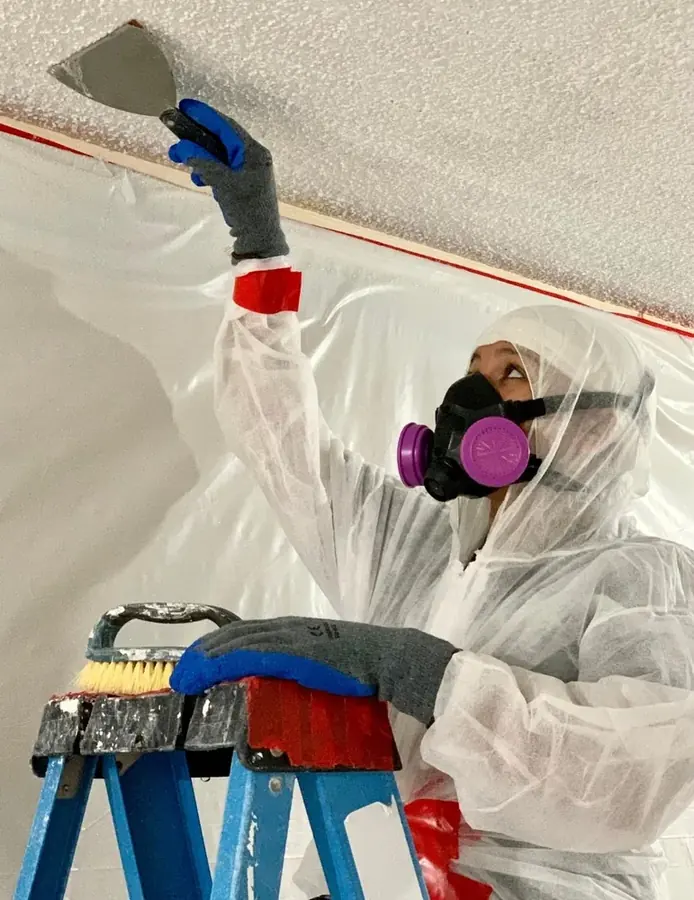
Ceiling Leak Water Damage
Upstairs plumbing, HVAC condensation, and sagging drywall. The crew traces the source, dries the cavity, and treats it.
View service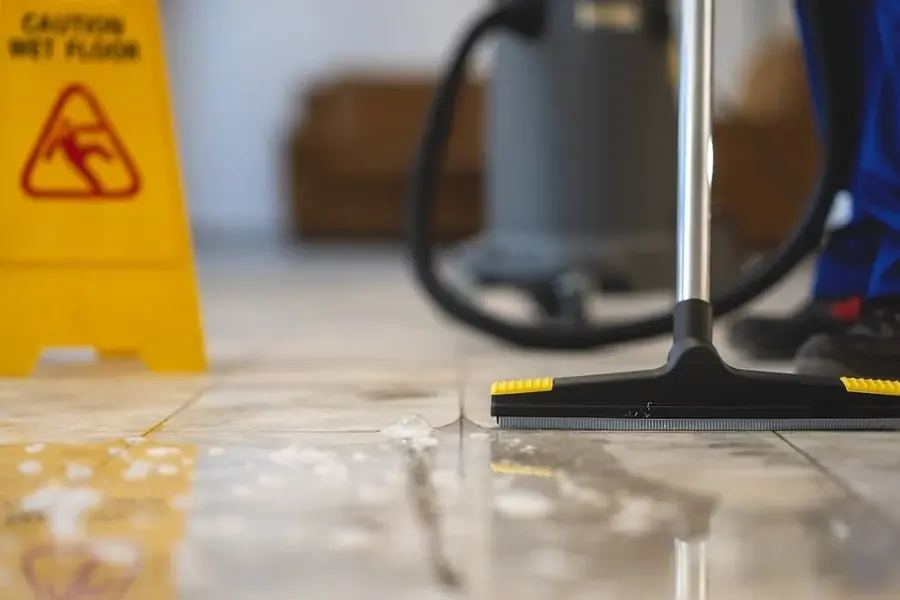
Roof Leak Water Damage
Storm-lifted shingles, failed flashing, and attic entry. The response crew tarps the roof, dries the attic, and stops the mold.
View service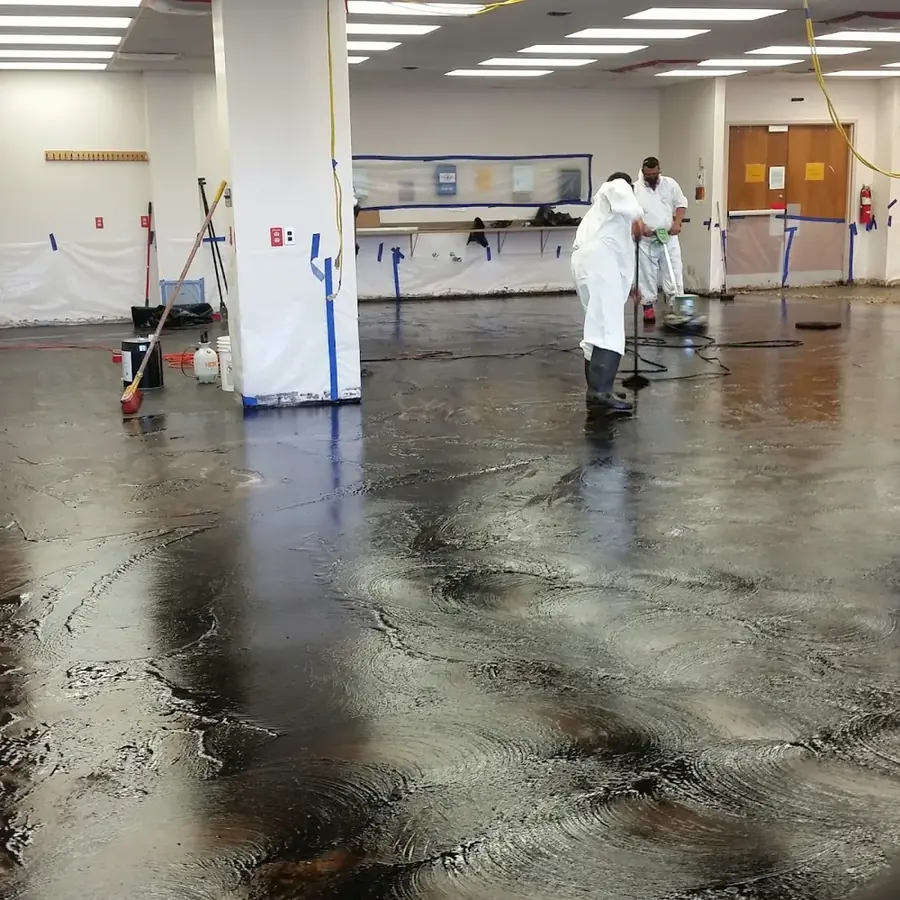
Commercial Water Damage
Offices, retail, restaurants, and multifamily. After-hours work with property-management coordination.
View serviceWhy water behaves differently in Atlanta
Water behaves differently here, for local reasons. Metro Atlanta sits on dense red clay that holds water against foundations, so pressure pushes groundwater through basement walls and crawl space vents long after the rain stops. Severe spring and summer storms drop intense rain in minutes, and the National Weather Service in Peachtree City issues flash flood watches many times a season.
The benchmark is still the September 2009 flood, when Westside creeks reached levels expected once in five hundred years. Homes near Peachtree Creek and the Chattahoochee flood again and again, which you can check on the FEMA Flood Map Service Center. Older intown basins still run combined sewers the City of Atlanta Watershed Management has spent years rebuilding, and in hard rain they back up as black water.
The 2009 metro flood
More than twenty inches of rain in days. The benchmark for how fast intown creeks and low streets rise.
Severe thunderstorms
Spring and summer downpours overwhelm storm drains in minutes and back water into finished basements.
Red clay and basements
Dense Piedmont clay holds water against foundations, so hydrostatic pressure pushes it through walls and floor cracks.
Humidity and mold
A humid subtropical climate means water left behind can grow mold in as little as 24 to 48 hours.
Combined sewers
Aging intown lines carry sewage and stormwater together and can surcharge and back up as black water.
Hard-freeze pipes
Uninsulated pipes in crawl spaces and attics split in January freezes, then flood the moment they thaw.
From Buckhead to the West End, the whole city
Buckhead & North
- Buckhead
- Garden Hills
- Chastain Park
- Tuxedo Park
- Brookwood Hills
- Peachtree Hills
Midtown & West Midtown
- Midtown
- Ansley Park
- Atlantic Station
- Home Park
- Berkeley Park
- Blandtown
Old Fourth Ward & Sweet Auburn
- Old Fourth Ward
- Sweet Auburn
- Poncey-Highland
- Inman Park
Virginia-Highland & Morningside
- Virginia-Highland
- Morningside
- Lenox Park
- Druid Hills
Grant Park & Southeast Intown
- Grant Park
- Ormewood Park
- Cabbagetown
- Peoplestown
- Summerhill
- Chosewood Park
East Atlanta, Kirkwood & East Lake
- East Atlanta Village
- Kirkwood
- East Lake
- Edgewood
- Reynoldstown
- Candler Park
West End & Southwest
- West End
- Adair Park
- Westview
- Cascade Heights
- Oakland City
- Mozley Park
Historic Westside & Bankhead
- Vine City
- English Avenue
- Bankhead
- Grove Park
- Hunter Hills
Downtown & South Atlanta
- Downtown
- Castleberry Hill
- Mechanicsville
- Pittsburgh
- Lakewood Heights
Near Metro
- Decatur
- Avondale Estates
- Brookhaven
- Sandy Springs
- Dunwoody
- Vinings
- East Point
Do not see your street? If water is coming in, call anyway. Coverage runs across the City of Atlanta and the intown ring, Fulton and DeKalb.
How an Atlanta water damage job runs, start to finish
- 01
Your call, answered 24/7 in person
A real person picks up any hour, gathers the details, and gets a crew moving right away.
- 02
Rapid local response
A local Atlanta crew rolls with truck-mounted pumps, air movers, and moisture meters, day or night.
- 03
Inspect and document for your claim
The response team photographs the loss, maps the moisture, and records the readings an adjuster looks for.
- 04
Extract and contain the water
The extraction crew removes standing water, pulls soaked materials, and contains the area so damage stops spreading.
- 05
Dry and monitor to a verified dry standard
Air movers and LGR dehumidifiers run while the drying team meters daily, until the readings are back to normal.
- 06
Restore and document for the file
The restoration team puts the home back together and hands over the photos and readings your claim needs.
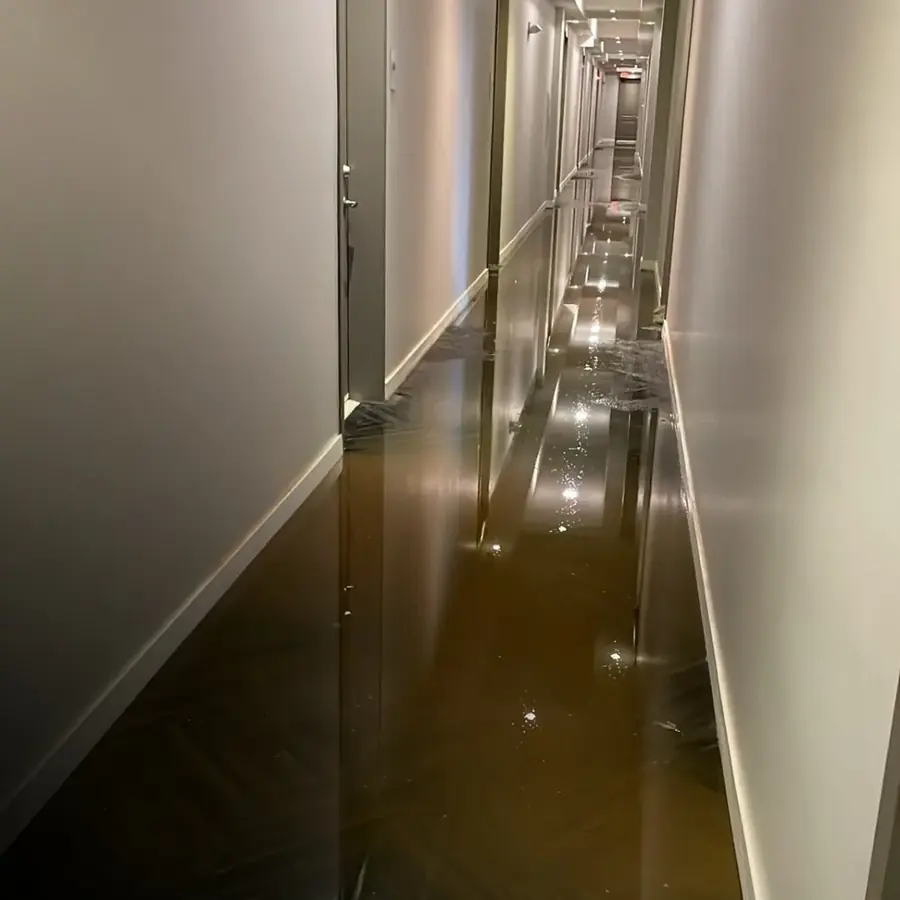
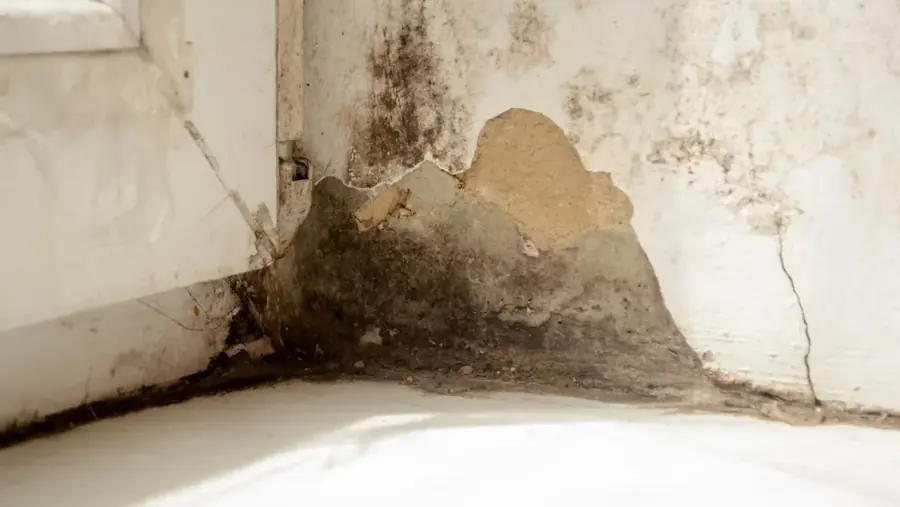
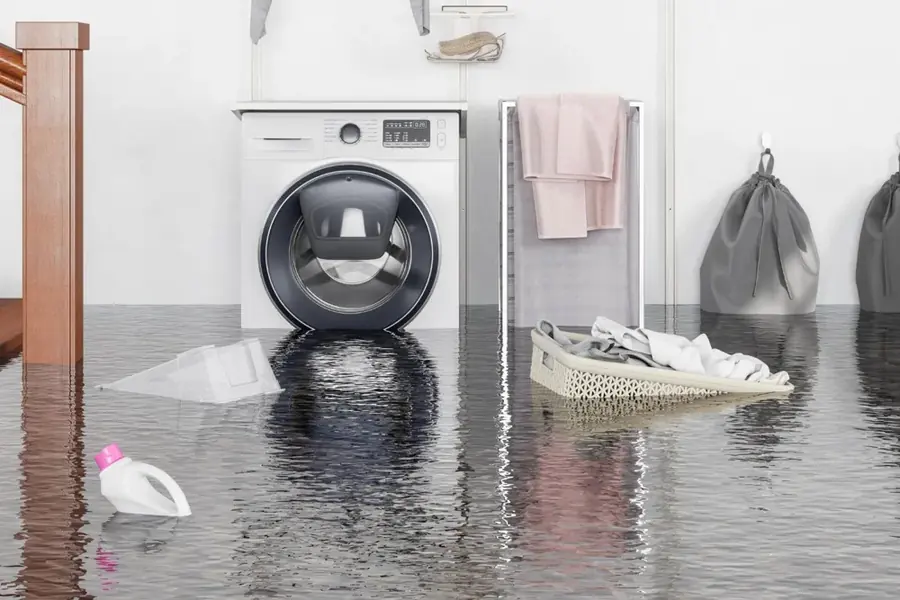
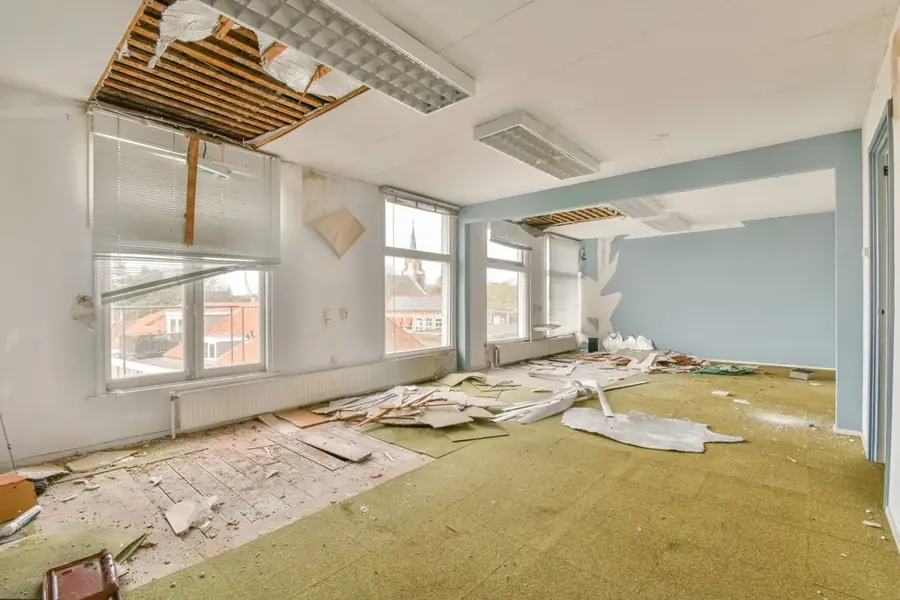
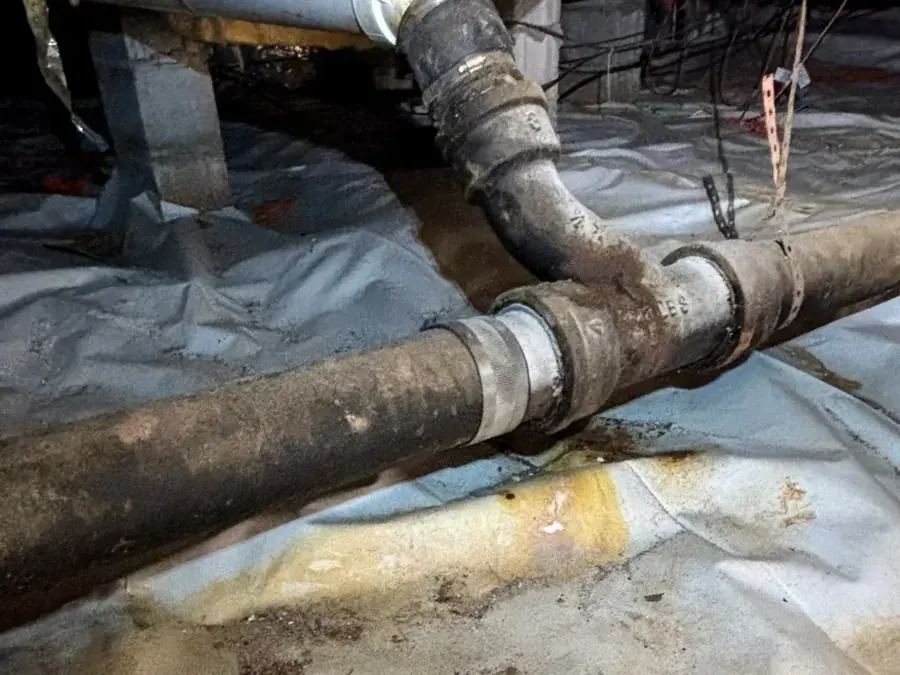
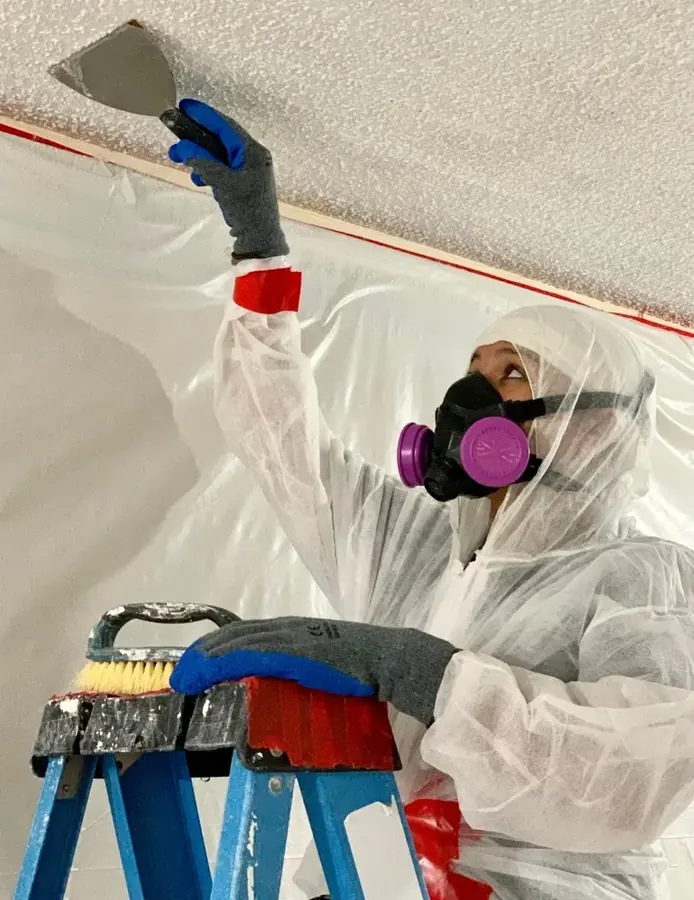
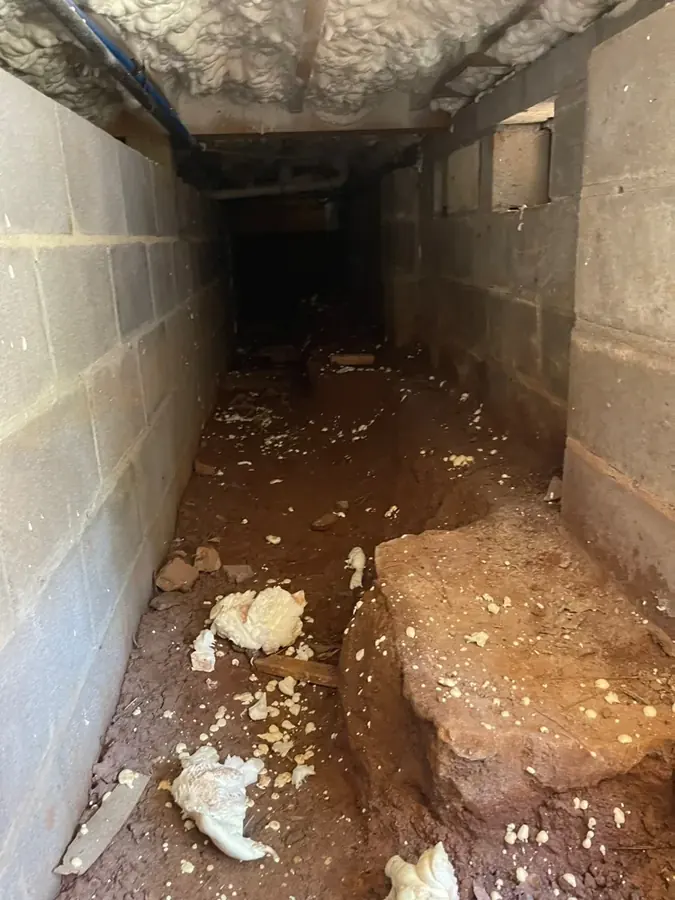
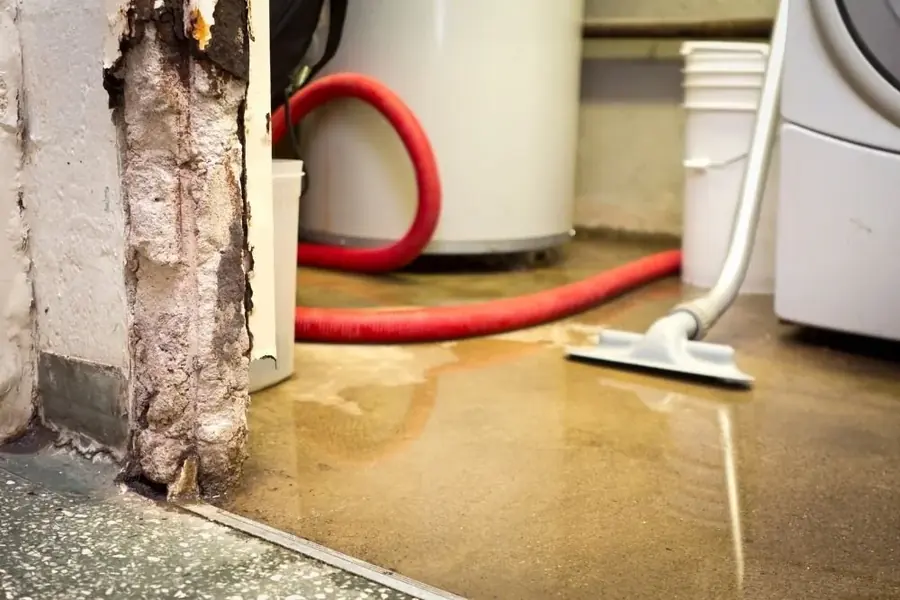
What a water damage dry-out looks like in Atlanta
Why Atlanta trusts the Diamond standard
- Rapid local response. The response team answers 24/7, and the nearest Atlanta crew heads out the moment you call, day or night.
- IICRC S500 drying standard. Trained crews run truck-mounted extractors, air movers, and moisture meters, drying to a verified standard, not a mop and a fan.
- Claim-ready documentation. The loss is documented with photos and daily moisture readings, the paperwork an adjuster needs to move a claim.
- Local water experts. Red-clay basements, vented crawl spaces, combined sewers, and creek floodplains, the local pros know how water moves in Atlanta.
What does water damage restoration cost in Atlanta, GA?
In Atlanta, GA, water damage restoration typically runs $500 to $25,000+, depending on the water category, how far it spread, and the materials affected.
Minor cleanup
$500 to $1,500A small leak or a contained spill, extracted and dried. Insurance usually covers a sudden loss.
Moderate loss
$2,500 to $7,500One flooded room or a wet basement, with drying and some material removal. Typically a covered claim.
Major loss
$8,000 to $25,000+A whole flooded basement, sewage, or multi-room damage with rebuild. Usually covered, by cause and policy.
Every home is different. Try the Water Damage Cost Calculator for a range, then call for an exact quote.
Documentation for your insurance claim
A water claim is decided on the file, not the phone call. The restoration team documents the loss with photos and daily moisture readings, the paperwork an adjuster looks for. Sudden, accidental water damage is usually covered on a Georgia homeowners policy, while rising surface water from a creek or flash flood falls under separate flood coverage. Coverage depends on your policy, so it is worth checking with your own insurer.
Atlanta water damage questions, answered
How fast can someone respond in Atlanta?
Dispatch runs 24/7 from the Historic Westside, and the nearest Atlanta crew heads out the moment the call comes in. Water spreads by the minute, so tell whoever answers your neighborhood and the crew rolls right away.
What should I do right now while I wait?
If you can do it safely, stop the water at the source or the main. Stay clear of standing water and outlets, move what you can, and photograph everything for your claim.
Is water damage covered by insurance?
A sudden, accidental water loss is usually covered on a Georgia homeowners policy after the deductible. The restoration team documents the loss with photos and daily moisture readings, the paperwork an adjuster looks for. Coverage depends on the policy, so it is worth checking with your own insurer.
My finished basement flooded after a downpour. Can it be pumped out and dried?
Yes. The extraction crew pumps out the standing water, pulls what soaked into carpet and pad, then dries the walls and slab and meters until the readings are back to normal.
I have moisture or a musty smell in my crawl space. Is that a problem?
It can be. Atlanta humidity turns a damp crawl space into mold on the joists and subfloor within a day or two. The drying team dries it, treats it, and addresses the moisture source.
Sewage backed up in heavy rain. Is it safe to clean myself?
No. A sewer backup is Category 3 black water and a biohazard. The cleanup crew removes it in protective gear, disinfects, and disposes of anything porous that cannot be saved.
How much does water damage restoration cost in Atlanta?
Small cleanups run a few hundred dollars. A flooded basement or a sewage job runs into the thousands, by water category and how far it spread. The cost calculator gives a planning range.
How long does drying take in Atlanta's humidity?
Most homes dry in three to five days. Plaster, hardwood, and a saturated basement slab take longer, and Atlanta's high dew points add time, so crews meter to a documented dry standard.
My pipes burst during a January freeze. Can that be handled?
Yes. A frozen pipe in a crawl space, attic, or exterior wall floods the moment it thaws. The crew stops the water, extracts it, and dries the framing and any wall cavity it reached.
Which Atlanta neighborhoods and ZIP codes are covered?
All of the City of Atlanta and the intown ring, from Buckhead to the West End and out to Decatur, Brookhaven, Sandy Springs, and East Point. Every ZIP on the coverage map is served.
Atlanta's water damage crew is ready when you are
Water sitting means damage spreading. Call Diamond Atlanta and a local crew heads out across metro Atlanta, day or night.
(678) 586-7595Call now, a live Atlanta dispatcher picks up any hour